How Many Songs Did Artists Release Before Their Breakout?
The data shows that volume precedes visibility. Catalog precedes career.
beatsunlmtd editorialMarch 2026
The industry shows you the moment. The viral clip. The first million streams. The signing. It never shows you what came before.
Before the moment, there were years. Mixtapes nobody downloaded. Albums that didn't chart. Singles that disappeared into the algorithm. Dozens of songs — sometimes hundreds — released to silence.
This is not motivational content. This is data. And the data crosses hip-hop, rock, R&B, and pop — decades of it, from Aretha Franklin to NBA YoungBoy.
There are artists who broke through on their second song. We will get to them.
But first — the numbers. And two things worth defining up front.
What counts as a “breakthrough”: In this piece, breakthrough means the first release that created clear mainstream chart visibility, a major commercial jump, or broad cross-over recognition — the moment the wider public started paying attention. Not the first song. Not the first deal. The moment the work became undeniable.
What the research shows: A 2022 study published in Nature’s Scientific Reports, analyzing thousands of professional musicians using Spotify and MusicBrainz data, found that artists who reach the Billboard Hot 100 tend to have more than 15 releases in their catalog — and those who break through on Spotify’s popularity metric average more than 21 releases. Volume is not anecdotal. It is measurable.
Written versus released: Most artists write two to six times more songs than they release. Taylor Swift wrote over 40 songs to arrive at the 11-track debut that launched her career. The catalog is not just what you put on Spotify. It is the sessions, the drafts, the tracks that taught you what to keep and what to cut.
Track counts across mixtape releases are difficult to verify precisely — many projects circulated without official tracklists or were later removed from streaming. Where exact counts are unavailable, estimates below are drawn from discography databases and cross-referenced sources. (If you're just starting out, our guide on how to release your first song covers the fundamentals.)
The Evidence: What the Data Actually Shows
100+SongsThe Deep Catalog Artists
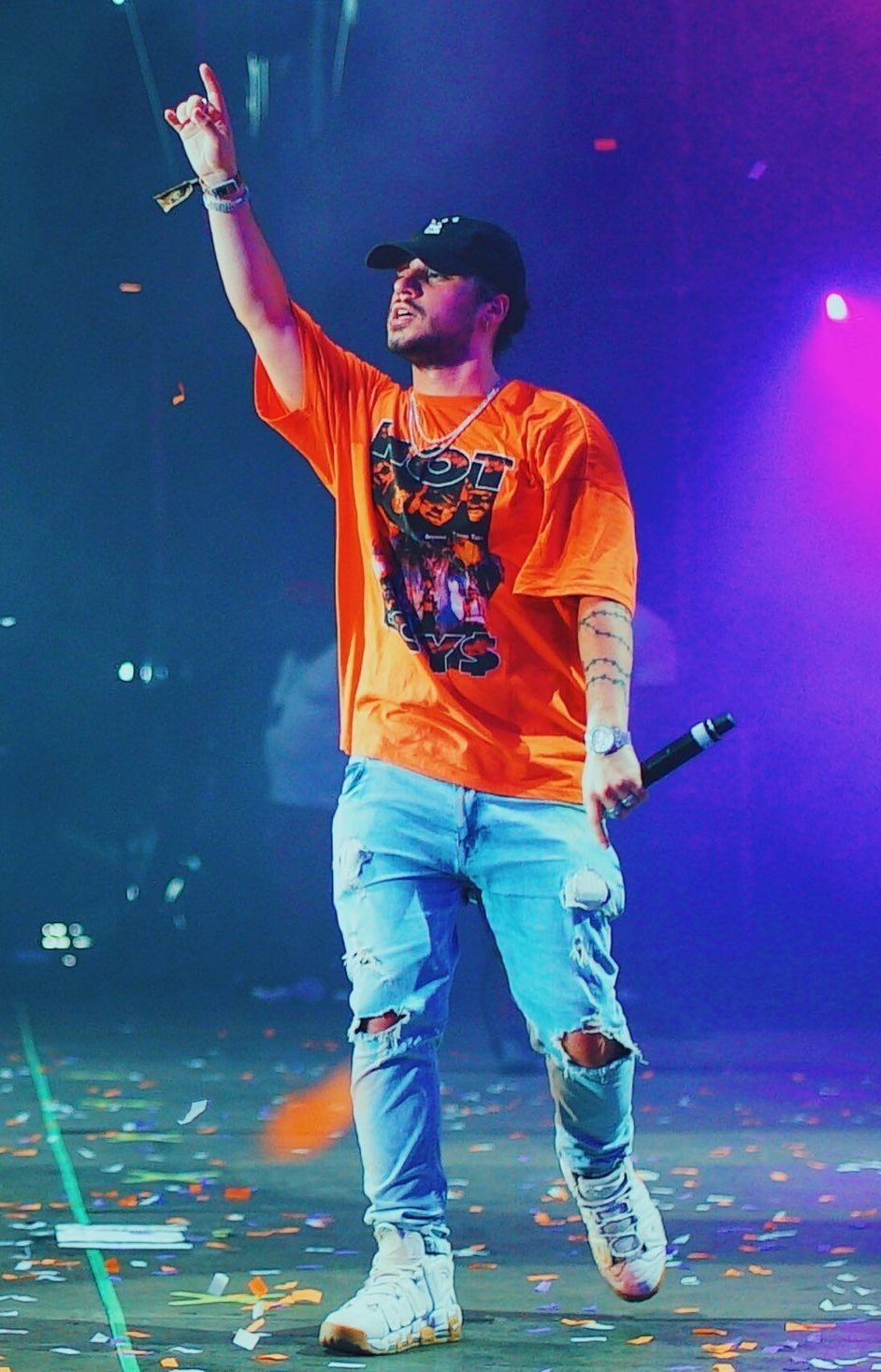
Russ
11 albums and 87 singles before mainstream. Between December 2011 and August 2014, Russ released 11 self-produced full-length albums on SoundCloud through his Diemon collective. None broke through. He pivoted to a weekly single-release strategy — one new song every week for nearly three years. That added 87 consecutive singles.
None of that moved the needle until "What They Want" and "Losin Control" charted on the Hot 100 in 2016. There's Really a Wolf followed in May 2017 on Columbia Records, debuting at number seven on the Billboard 200 and earning a platinum certification. Russ is the most literal execution of the volume thesis in modern music.
Featured Insight
"Volume is the only way to refine a signature sound."
SullivanXVII / CC BY-SA 4.0
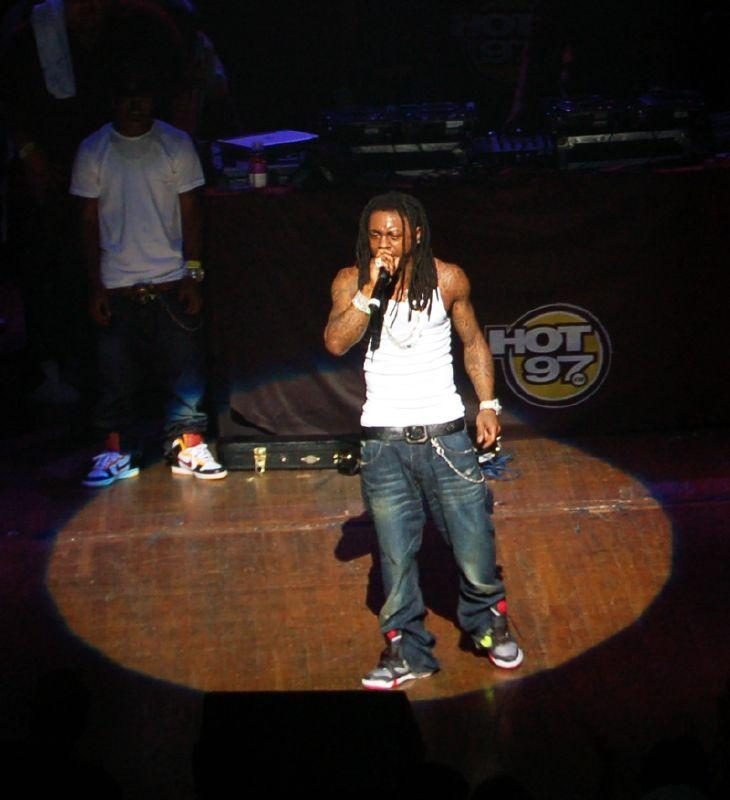
Lil Wayne
Hundreds of songs before Tha Carter III. Wayne debuted in 1999 with Tha Block Is Hot at age 17. Over the next nine years, he released four more studio albums — Lights Out (2000), 500 Degreez (2003), Tha Carter (2004), Tha Carter II (2005) — and over 15 mixtapes, including the Dedication and Da Drought series.
By the time Tha Carter III dropped in June 2008, "Lollipop" became his first number-one single on the Hot 100. The foundation was a decade of output that most listeners never heard.
CC BY-SA 2.0
Gucci Mane
Dozens of tapes before mainstream. Gucci had early projects circulating as far back as 2001. By 2006, Chicken Talk put him on the radar nationally. Between 2006 and 2009, he released dozens more. His major label debut The State vs. Radric Davis (2009) moved 90,000 copies in its first week. His career discography would eventually reach 80 mixtapes, 17 studio albums, and over 100 singles — but even before the major label moment, the volume was already deep.
Wiz Khalifa
An estimated 100+ songs over five years. Starting with Prince of the City (2006), Wiz released seven mixtapes plus a second indie album before Kush & Orange Juice (2010) topped Google's Hot Search Trends. "Black and Yellow" hit number one on the Hot 100 in 2011. Five years of building before the mainstream arrived.
50–100SongsThe Grind Years
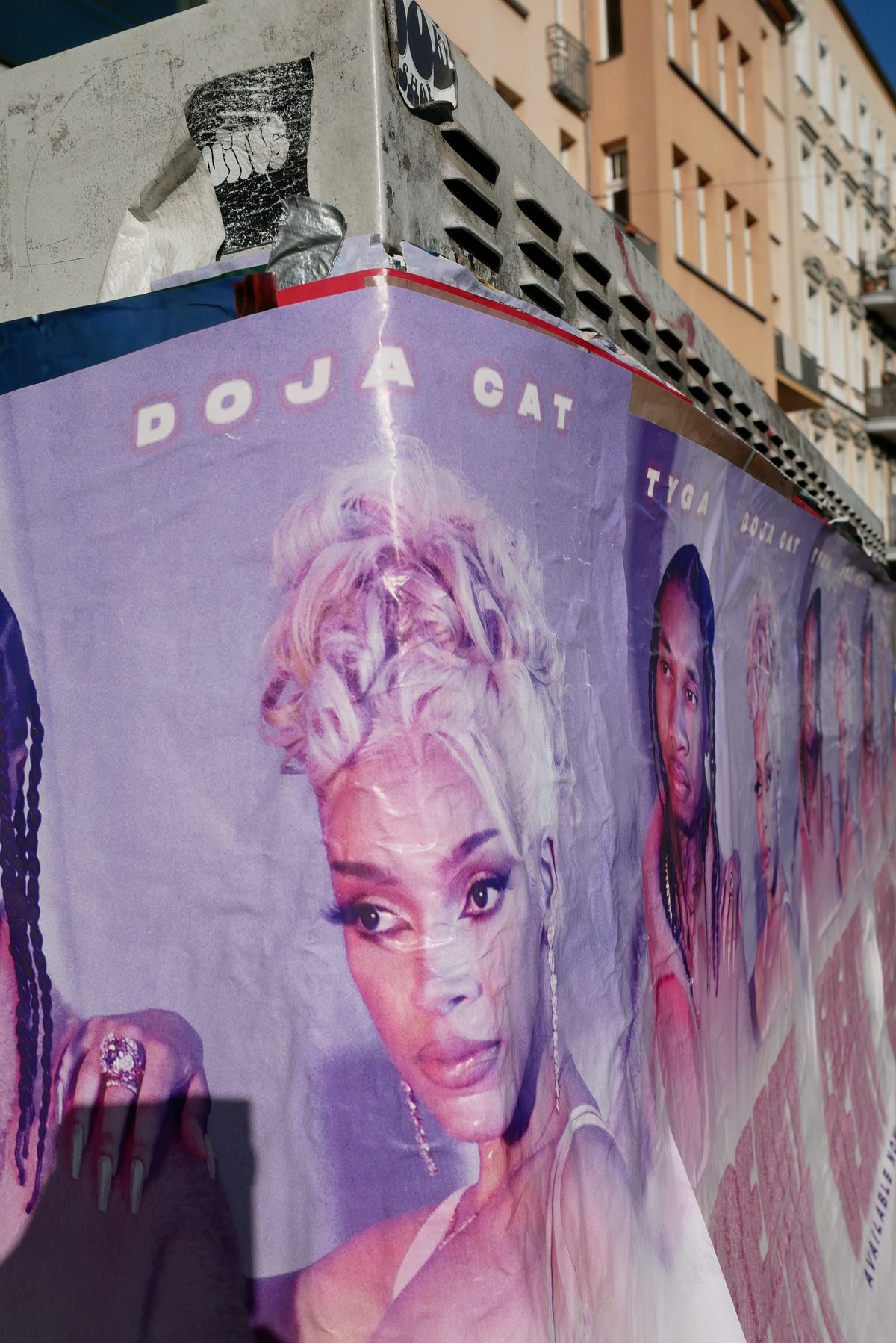
Doja Cat
100+ SoundCloud tracks before "Mooo!" Between 2012 and 2017, Doja Cat used SoundCloud as a testing ground — uploading dozens of experimental tracks across wildly different genres. The standard edition of Amala released in March 2018 and failed to chart.
Then "Mooo!" went viral in August 2018 — a self-produced, internet-literate track that only someone who had spent years experimenting could have made on instinct. By the time "Say So" hit number one in 2020, her catalog well exceeded 100 songs.
ben.kaden / CC BY 2.0
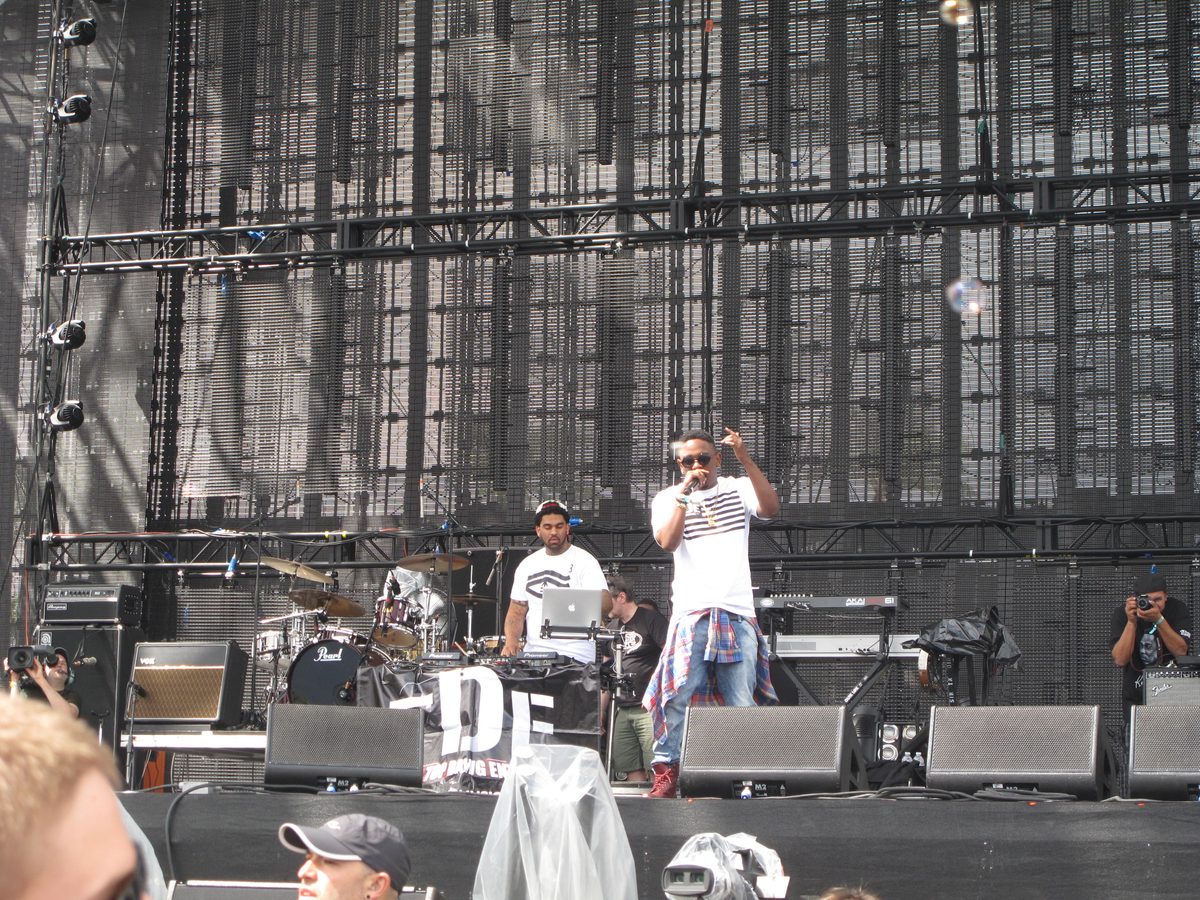
Kendrick Lamar
At least seven projects before good kid, m.A.A.d city. Before he was Kendrick Lamar, he was K.Dot. Between 2003 and 2011, he released at least seven projects — well over 60 songs. good kid, m.A.A.d city dropped in October 2012 on Aftermath/Interscope. Nearly a decade of development. Most fans have never heard it.
David Hwang / CC BY 2.0
NBA YoungBoy
Eight mixtapes before Billboard. YoungBoy started releasing music in 2015 at age 15. Between 2015 and 2017, he released eight mixtapes — roughly 100+ songs before "Untouchable" and "No Smoke" became his first Billboard Hot 100 entries. His total discography now includes nine studio albums, 26 mixtapes, and 102 singles.
Future
Years of mixtapes before mainstream dominance. Future released mixtapes 1000, Dirty Sprite, and True Story between 2010 and 2011. His cultural dominance came after the Monster / Beast Mode / 56 Nights trilogy. DS2 debuted at number one in July 2015 — the career-defining peak. The catalog was years deep before the peak arrived.
J. Cole
An estimated 60+ songs across three mixtapes.The Come Up (2007), The Warm Up (2009), and Friday Night Lights (2010, BET Mixtape of the Year). Cole World: The Sideline Story debuted at number one on the Billboard 200 in 2011. Three years of free music. No shortcuts.
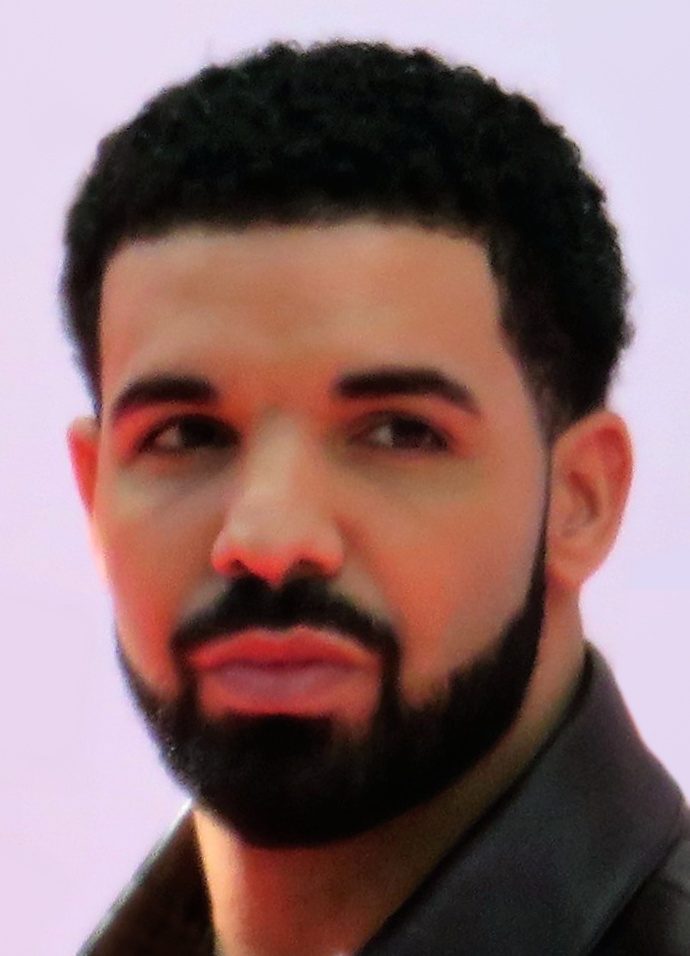
Drake
An estimated 60+ songs while unsigned.Room for Improvement (2006) and Comeback Season (2007) while still acting on Degrassi. So Far Gone dropped in 2009 as a free download. "Best I Ever Had" peaked at number two on the Hot 100 and triggered a major-label bidding war. The labels came to him because the catalog was already undeniable.
GabboT / CC BY-SA 2.0
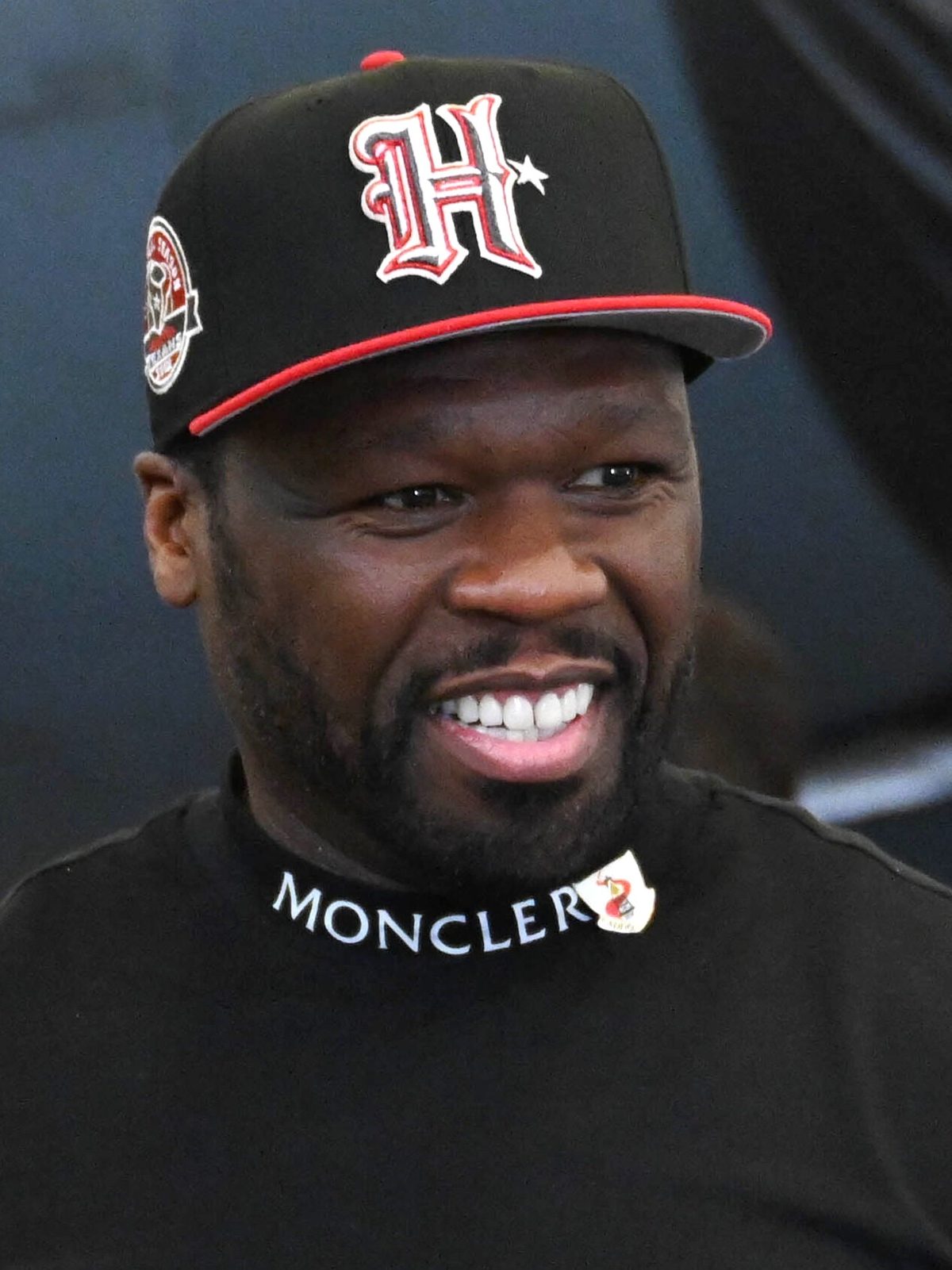
50 Cent
An entire shelved album before Get Rich or Die Tryin'. 50 Cent recorded Power of the Dollar (18 tracks) for Columbia Records. After being shot nine times in May 2000, Columbia dropped him. He rebuilt with Guess Who's Back? and No Mercy, No Fear (2002). Get Rich or Die Tryin' debuted at number one in February 2003, selling 872,000 copies in its first week.
USAF / Public Domain
30–60SongsThe Slow Burn
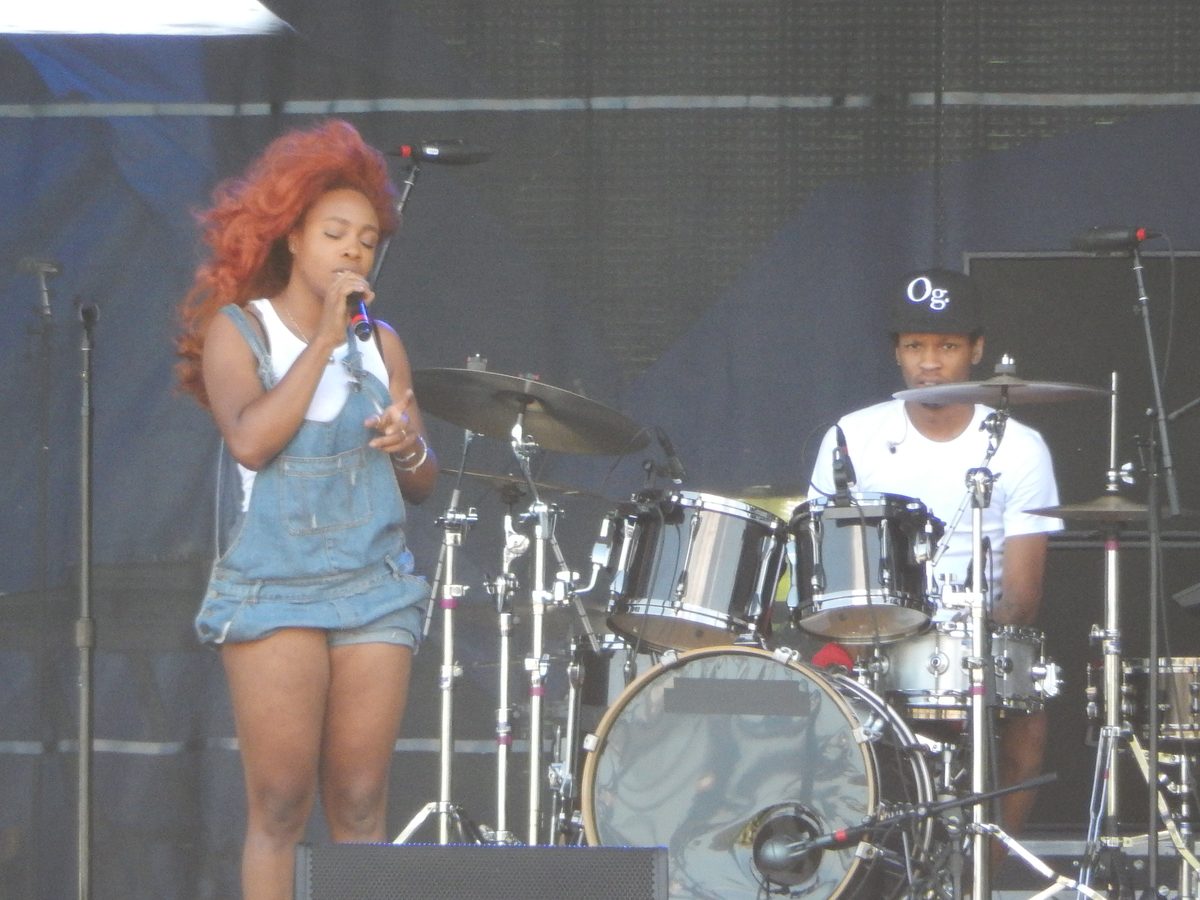
SZA
Three EPs over five years before Ctrl.See.SZA.Run (2012), S (2013), Z (2014) — roughly 30 to 40 songs across three self-released EPs. Ctrl arrived in June 2017, debuting at number three on the Billboard 200.
swimfinfan / CC BY-SA 2.0
Pink Floyd
Released seven studio albums and 70+ songs — including Atom Heart Mother, which hit number one in the UK — before their eighth album, The Dark Side of the Moon (1973), became one of the best-selling records of all time with over 990 weeks on the Billboard 200.
David Bowie
Released four albums across five years, including Hunky Dory (1971), which initially failed to chart despite strong reviews. His fifth album, Ziggy Stardust (June 1972), broke through so massively that it retroactively made Hunky Dory a hit.
Aretha Franklin
Signed to Columbia Records around 1960 and released approximately eight or nine studio albums over six years. She had meaningful R&B chart activity, but only one Columbia single cracked the pop Top 40. She switched to Atlantic in 1966. "I Never Loved a Man" arrived in early 1967, followed by "Respect" — number one and the defining song of a generation.
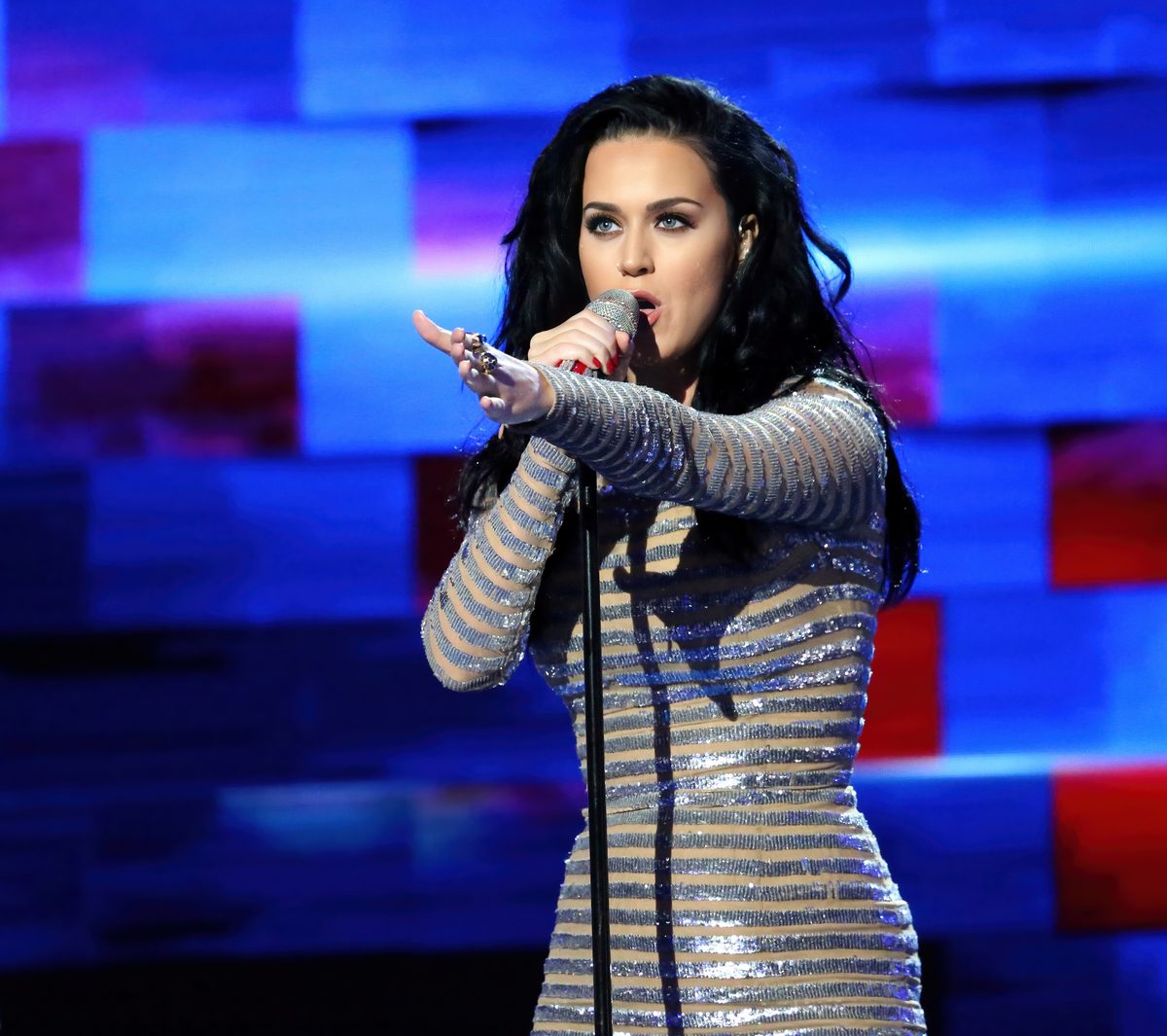
Katy Perry
Released a full gospel album as Katy Hudson in 2001. It sold approximately 100 to 200 copies before the label folded. She was signed and dropped by Island Def Jam and Columbia Records over the next several years. "I Kissed a Girl" came out in 2008 on Capitol — seven years after her first album.
A. Shaker / VOA / Public Domain
Artist Output Analysis
Songs released before breakout moment
Artist
Songs Pre-Breakout
Breakout Project
Peak
Russ
11 albums + 87 singles
There's Really a Wolf
Platinum
Lil Wayne
5 albums + 15 tapes
Tha Carter III
Diamond
Doja Cat
100+ SoundCloud tracks
Say So
#1 Hot 100
Kendrick Lamar
7 projects / 60+ songs
good kid, m.A.A.d city
Platinum
SZA
3 EPs / ~35 songs
Ctrl
Platinum
Drake
60+ songs unsigned
So Far Gone
#1 Hot 100
Glass Animals
40-50 tracks / 8 years
Heat Waves
Diamond
Lizzo
50+ songs / 4 projects
Truth Hurts
#1 Hot 100
The Sleeper Hits: Why Old Songs Go Viral Years Later
Some songs don't break when they release. They wait.
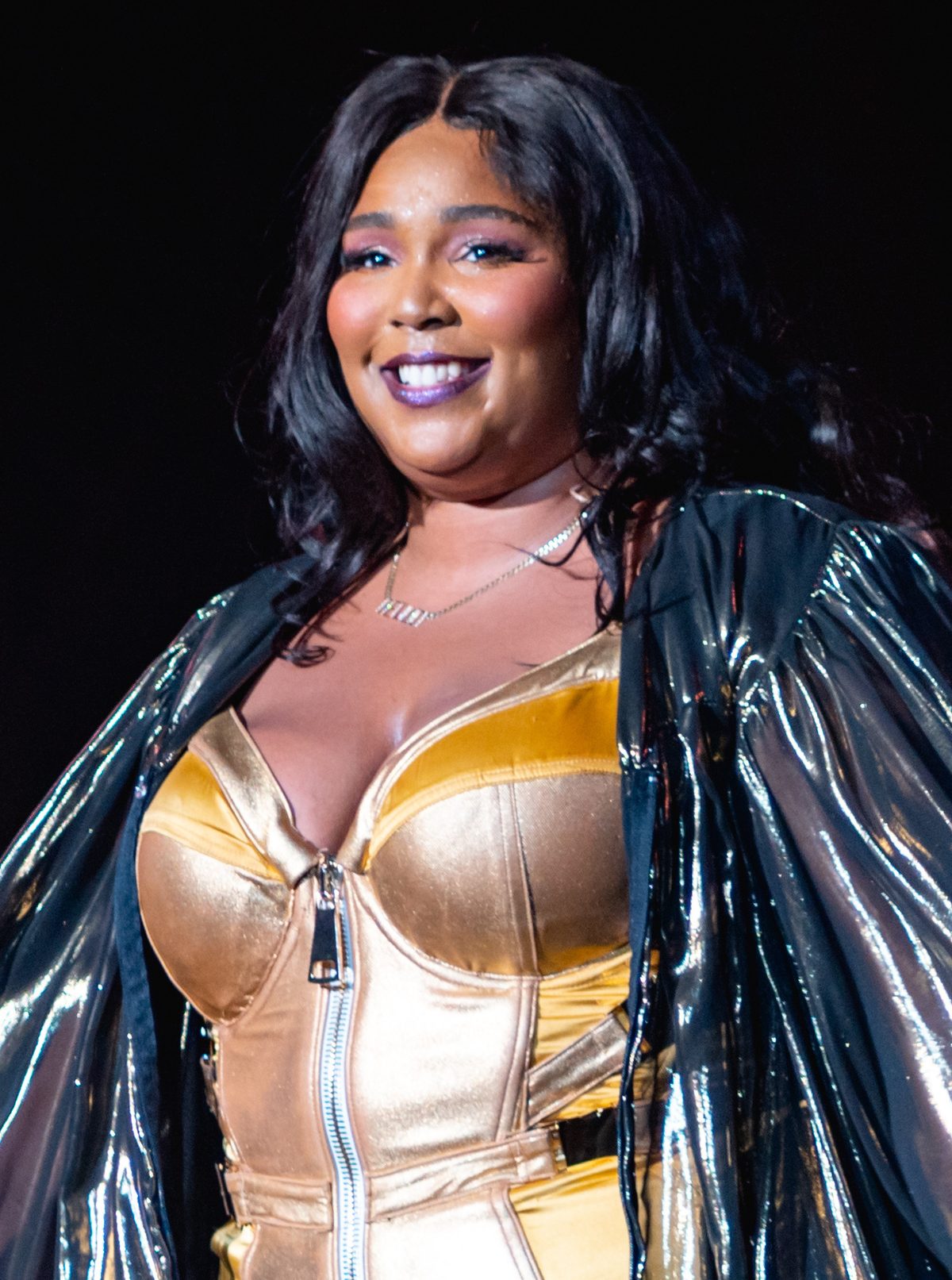
Lizzo released "Truth Hurts" in September 2017. No chart position. No momentum. She moved on, kept building. By then, she had already put out more than 50 songs across four projects — The Chalice (2012), Lizzobangers (2013), Big Grrrl Small World (2015), and the Coconut Oil EP (2016).
Two years later, a Netflix film synced the track. TikTok picked it up. The song was re-promoted as a radio single in early 2019. It hit number one on the Billboard Hot 100 and stayed there for seven weeks. "Good as Hell" — released in 2016 — simultaneously climbed to number three. Two songs from the archive, both released years before anyone noticed.
The Catalog Effect
50+ songs across 4 projects before the world caught up.
Raph_PH / CC BY 2.0
Glass Animals tell the same story from a different angle. "Heat Waves" dropped in June 2020. The band had been releasing music since 2012. The song charted. Then it kept climbing. It took 59 weeks to reach number one on the Billboard Hot 100 — the longest climb to the top in chart history. Diamond certified.
Every song you release is a long-term asset, not a short-term event. It either connects now or it waits for the right context. The catalog makes that waiting possible.
Lizzo"Truth Hurts"
Released Sept 2017 → #1 Sept 2019 — 2 years in the archive
Released
Sept 2017
no chart position — silence
Netflix sync
+ TikTok
#1 for 7 weeks
Sept 2019
201720182019
Glass Animals"Heat Waves"
Released June 2020 → #1 March 2022 — 59 weeks climbing
Released
June 2020
59 weeks — longest climb to #1 in chart history
TikTok waves
recurring viral moments
#1 — Diamond
March 2022
202020212022
Back Catalog Lift Effect
Lizzo — Streaming activity, 2017–2019
When "Truth Hurts" hit #1, older tracks charted simultaneously
Sept '17
'18
Netflix sync + TikTok
Mid '19
#1 Hot 100
Sept '19
'20
"Truth Hurts" (2017)
"Good as Hell" (2016) → peaked #3
"Juice" (2019)
Remaining catalog
The catalog absorbed the momentum. Without it, the moment passes through the artist like water through open hands.
"The release date is not the moment. The moment is when the audience finds it."
The Counter-Argument (And Why It Doesn't Change the Rule)
There are artists who broke through on their second song. Some on their first.
Lil Nas X had released fewer than 20 songs before "Old Town Road" spent 19 consecutive weeks at number one on the Billboard Hot 100. Diamond certified. Tones and I had her global breakthrough with what was effectively her second ever single — "Dance Monkey" topped charts in 38 countries. 24kGoldn had roughly 14 tracks out before "Mood" hit number one.
These are real. They belong in any honest accounting of this data.
Lil Nas X
<20
songs released
"Old Town Road"
19 weeks #1 — longest in Hot 100 history
Years of viral Twitter
Ran fan accounts. Studied virality. Built an audience of hundreds of thousands. Iterated at volume — just not through music.
volume present — different medium
Tones and I
2
singles released
"Dance Monkey"
#1 in 38 countries
Years of daily busking
Performed for hours a day in Byron Bay. Read crowds. Refined delivery. Hundreds of songs' worth of live repetition before the single.
volume present — live performance
24kGoldn
14
tracks released
"Mood"
#1 Hot 100
Thin catalog, real cost
No deep archive to absorb the momentum. Listeners checked the profile, found little, moved on. Monthly listeners declined sharply after the peak.
volume absent — momentum leaked
But look closer. Lil Nas X spent years building a Twitter audience of hundreds of thousands before he ever released a song — operating fan accounts, studying virality, learning how to make content spread. He iterated at volume. Just not through music.
Artists who break through with a thin catalog often cannot sustain it. One viral song with no archive means the listener streams it, checks the profile, finds nothing, and leaves. The artists who broke through with one song and held it had been building in other forms. The artists who broke through with one song and faded had nothing to catch the momentum.
Volume is not the only path. But it remains the most reliable one.
The Catalog Funnel: Why Volume Pays Off Mechanically
Here is the mechanic the motivational version of this argument usually skips.
When a song goes viral — through a sync, a TikTok moment, or an algorithmic push — the first thing listeners do is go to the artist's page. This happens within hours of the spike.
One song on the page means they listen, maybe save it, and leave. The algorithm reads session depth, not just streams on a single track.
Thirty songs on the page means something different. The listener goes deeper. They find the track from two years ago that sounds like the one that just went viral. They add three songs to their library. They follow. Monthly listener count holds because there is something to hold it with.
This is why Lizzo's back catalog charted alongside "Truth Hurts" in 2019. This is why Glass Animals' earlier albums saw streaming spikes while "Heat Waves" was climbing. The catalog absorbs the momentum. Without it, the moment passes through the artist like water through open hands.
For an independent artist releasing on a budget, this is the most important structural argument for volume. Not "keep going because eventually something will hit" — but "when something hits, you need 29 other songs to make the hit worth having."
Artist A
1 song
Viral Single2.4M plays
Algorithmic Signal
Session depth1 track
Library saves1 save
Follow rate8%
30-day retention4%
session depthshallow
↓
Listener plays 1 song, exits. Algorithm reads low engagement. Monthly listeners collapse within 2 weeks.
Artist B
30 songs
Viral Single2.4M plays
Similar vibe (2024)+340K
Sleeper cut (2023)+180K
Deep cut (2022)+95K
Early work (2021)+42K
+ 25 more tracks
Algorithmic Signal
Session depth4.2 tracks
Library saves3.1 saves
Follow rate34%
30-day retention41%
session depthdeep
↑
Listener discovers 3+ tracks, saves, follows. Algorithm reads strong engagement. Monthly listeners hold and compound.
The 30-Song Framework
A Blueprint for Strategic Saturation
I
Songs 1–10
Foundation
You are learning. Your sound is forming. Quality will be inconsistent. Wayne's early albums sound nothing like Tha Carter III. That gap is what ten releases teach you.
II
Songs 11–20
Refinement
Your sound stabilizes. Patterns emerge. You start locking your lane. Kendrick's transition from K.Dot mixtapes to Section.80 happened in this range.
III
Songs 21–30
Momentum
Your catalog has depth. Curators take you seriously. The algorithm has data to work with. Some earlier songs may find new audiences on their own timeline.
Build the Catalog
Every artist in this piece built in relative silence before the world turned around. Aretha Franklin spent six years on Columbia before Atlantic unlocked her. Katy Perry got dropped twice. Lil Wayne released music for nine years. Russ released 11 albums and 87 singles before anyone charted. Lizzo waited two years for her number one to arrive.
Your first song will not change your life. Your 30th might. But only if you release the 29 before it.
The artists in this article had one thing in common beyond talent — access to production, consistently, at the volume the work required. You cannot build a 30-song catalog if you cannot afford the beats to make it happen.
"Quantity leads to quality. The math is simple, but the work is hard."
How many songs do artists release before getting famous?
The data varies widely, but among the artists in this study, the range was 30 to 200+ songs before a mainstream breakthrough. Artists like Russ released 11 albums and 87 singles. Kendrick Lamar had seven projects. SZA released three EPs over five years. The median sits around 50–60 songs, but the pattern is clear: the breakthrough rarely comes before a substantial catalog exists.
Is the 30-song rule real?
It's a framework, not a prophecy. Not every artist on this list hit their tipping point at exactly 30 songs — Wayne's came after hundreds, SZA's was closer to 35. But 30 represents the point where your catalog has enough depth for the algorithm, curators, and listeners to take you seriously. It's the minimum viable catalog for building real momentum.
Can you get famous with just one song?
Yes — Lil Nas X, Tones and I, and 24kGoldn all broke through with thin catalogs. But two of the three had iterated at volume in other forms (Twitter, busking). And artists who break through with one song and no catalog often can't sustain it — listeners check the profile, find nothing, and leave. The catalog is what catches the momentum.
How do I build a catalog if I can't afford production?
Look for unlimited licensing models. Platforms like beatsunlmtd offer curated beat rooms with unlimited rights at flat rates — no per-track cost, no Content ID claims. The goal is removing the production bottleneck so you can release at the volume the work requires. Learn more about how beat licensing works.
What is a sleeper hit?
A sleeper hit is a song that doesn't chart when it's released but goes viral months or years later. Lizzo's "Truth Hurts" was released in 2017 and hit #1 in 2019 after a Netflix sync. Glass Animals' "Heat Waves" took 59 weeks to reach #1. Sleeper hits are a feature of deep catalogs — every song you release is a long-term asset waiting for the right context.
How do I release my first song?
Start with production you can afford at volume, distribute through a service like DistroKid or TuneCore, and focus on consistency over perfection. Your first 10 songs are about learning your sound, not going viral. Read our full guide on how to release your first song.